Why Homeowners Trust Alvin Air Conditioning Services Year Round
Why Homeowners Trust Alvin Air Conditioning Services Year Round
Blog Article
Premier Air Conditioning Services to Preserve Your Home Cool and Comfortable Throughout the Year
Maintaining a pleasant home environment relies heavily on effective air conditioning services. Regular maintenance is vital for system efficiency and longevity. Identifying signs of potential issues can prevent costly repairs. Additionally, upgrading to energy-efficient units offers long-term savings. Various seasonal tune-ups can optimize performance. Understanding these aspects is essential for homeowners. However, many may overlook significant warning signs. What are the key indicators that indicate your system may need attention?
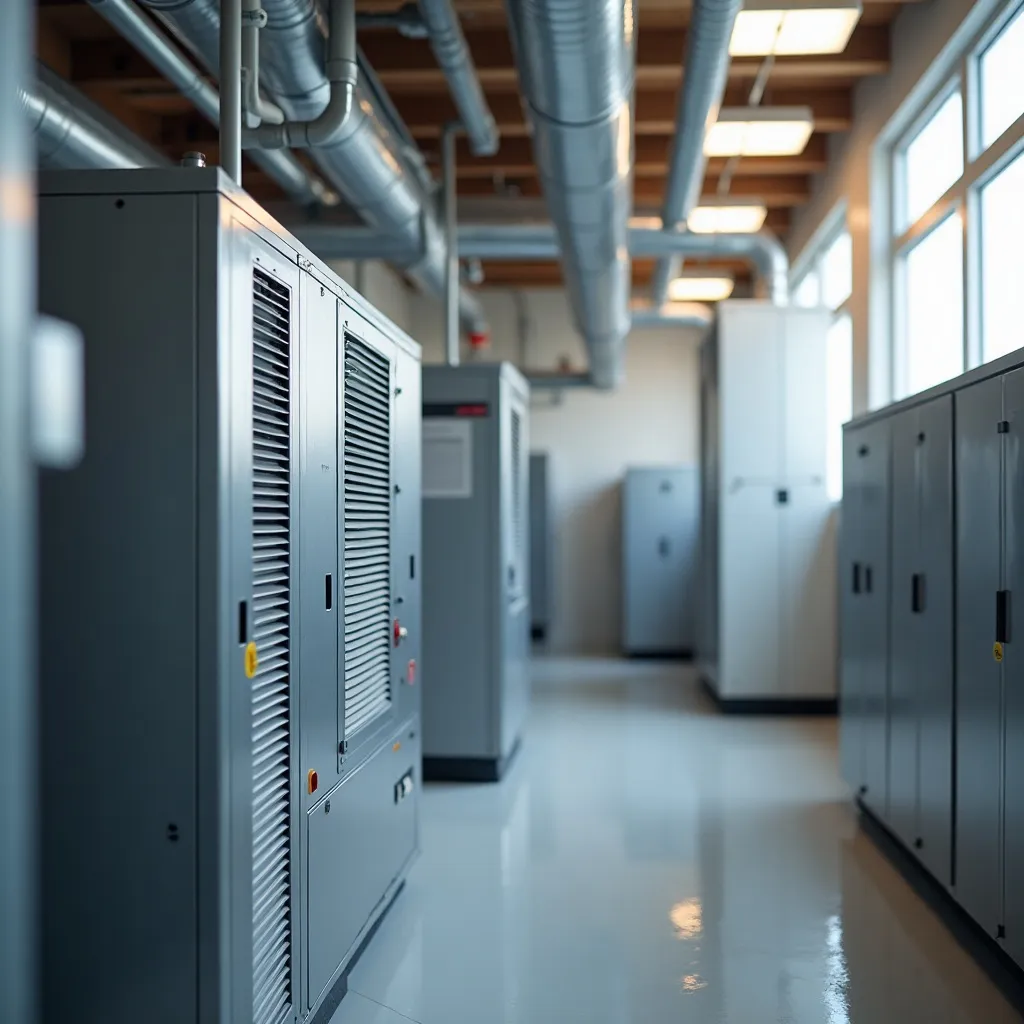
The Essential Nature of Periodic Air Conditioning Servicing
Regular air conditioning maintenance is crucial for optimal functioning and longevity of the system. A properly serviced air conditioning unit operates more efficiently, reducing energy consumption and lowering utility bills. Routine inspections can avoid minor issues from escalating into major problems, guaranteeing the system runs smoothly throughout the warmer months.
Additionally, regular maintenance boosts air quality within your home by extracting dust, debris, and allergens that accumulate in the equipment. This is vitally important for residences with lung issues. Routine inspections often include tasks such as filter maintenance, refrigerant monitoring, and component inspection, which contribute to overall system reliability.
Investing in routine maintenance not only extends the lifespan of the air conditioning unit but also fosters a cozy home setting. Homeowners who prioritize regular service can enjoy reassurance, recognizing their system is ready for the demands of changing temperatures.
How to Pinpoint When Your AC Should Be Fixed?
Spotting when an cooling unit requires fixing is essential for upholding comfort and operational efficiency. Indicators like unusual noises, uneven temperature, and rising energy bills commonly indicate hidden problems. Catching these warning indicators allows homeowners to take timely action before significant problems happen.
Unusual Sounds From Unit
When an air conditioning unit starts making unusual noises, it often signals potential issues that may need prompt action. Typical noises include rattling, which may suggest loose components, or whistling, suggesting a coolant escape. A grinding noise could suggest motor problems, while a buzzing sound may denote electrical issues. These sounds not only disrupt comfort but can also lead to more extensive damage if ignored. Homeowners should take these signs seriously and think about contacting a skilled expert to diagnose and address the underlying problems. Prompt maintenance can prevent further complications and ensure the unit operates efficiently, maintaining a comfortable living environment year-round. Ignoring these noises may result in costly repairs eventually.
Inconsistent Temperature Output
Strange sounds coming from an air conditioning unit can often precede other signs of malfunction, such as variable temperature output. Homeowners might notice that certain rooms feel warmer or colder than others, indicating the system is unevenly distributing air. Furthermore, it might take longer for the unit to reach the desired temperature, causing discomfort. If thermostat settings do not match with the actual room temperature, this inconsistency can reveal an hidden problem. Checking for blocked vents or dirty filters is essential, since these factors contribute to temperature variations. Regular maintenance and prompt attention to these signs can help ensure the air conditioning system operates effectively, providing a comfortable living environment year-round.
Elevated Energy Charges
Often, residents may observe a sudden increase in their utility charges, which can signal that their air conditioning system requires attention. Increased energy consumption is often attributed to various hidden problems, such as clogged air filters, refrigerant leaks, or malfunctioning components. These problems force the system to operate more intensively to keep set temperatures, leading to higher operational costs. Homeowners should monitor their electricity costs consistently and check them to previous time periods or years for unusual changes. Additionally, odd noises or reduced cooling efficiency can further indicate that repairs are necessary. Resolving these issues promptly can not only restore efficiency but also prevent more significant problems and expenses in the future, guaranteeing a comfortable home atmosphere throughout the year.
Understanding Immediate AC Support
Emergency AC assistance are crucial for homeowners dealing with sudden air conditioning failures, especially during the scorching summer months. Such assistance provide immediate assistance, ensuring that a malfunctioning unit does not compromise indoor comfort and health. Common issues requiring emergency attention include refrigerant leaks, compressor failures, and electrical problems, all of which can lead to inadequate cooling or complete system shutdown.
Homeowners need to recognize the significance of having entry to trustworthy emergency services. Prompt response times can minimize discomfort and prevent further damage to the system. Furthermore, many service providers provide 24/7 availability, addressing urgent needs regardless of the time of day.
Identifying the red flags that necessitate emergency AC services can prepare house owners to take swift action, ensuring their air conditioning systems function efficiently and effectively. By giving priority to these services, house owners can maintain a cool, comfortable living environment throughout the hottest months of the year.
Why Should You Upgrade to High-Efficiency AC Systems?
Upgrading to high-efficiency AC units delivers significant advantages, such as lower electricity expenses. These modern systems consume reduced amounts of power but also enhance indoor air quality through better air filtering and moisture regulation. As homeowners seek cost-effective and healthier living environments, efficient cooling systems serve as a compelling solution.
Decrease Energy Expenses
Allocating funds to energy-saving air conditioning units can greatly reduce monthly energy expenses. These new systems utilize advanced technology to enhance energy consumption, resulting in less operational costs. Traditional units often expend unnecessary energy, leading to inflated bills during peak usage times. On the other hand, energy-efficient models are designed to operate using less electricity while sustaining effective cooling performance. The initial investment in these units can be made up for by significant savings over time, making them a costwise choice for homeowners. Additionally, many energy-efficient air conditioners are eligible for financial rebates and perks, further enhancing their cost-effectiveness. By upgrading to these units, homeowners not only aid environmental conservation but also enjoy a more economical method of cooling their living spaces.
Superior air quality indoors
Energy-efficient air conditioning units don’t just lower energy bills but also greatly enhance indoor air quality. These units are incorporate advanced filtration systems that effectively screen out dust, allergens, and pollutants, leading to cleaner air circulation within the home. By controlling humidity levels, energy-efficient models prevent mold growth and the proliferation of bacteria, contributing to a healthier living environment. Additionally, many of these units operate with reduced noise than traditional models, curbing noise pollution and promoting a more serene atmosphere. Upgrading to energy-efficient air conditioning systems not only supports environmental sustainability but also prioritizes the well-being of the household, making it a smart choice for homeowners seeking both comfort and health benefits.
Routine Seasonal Tune-Ups for Maximum Air Conditioning Operation
As the warmer months approach, guaranteeing an air conditioning system is in peak condition becomes essential for maintaining indoor comfort. Seasonal tune-ups play a critical role in optimizing AC performance, boosting efficiency, and prolonging the life of the unit. These extensive maintenance sessions typically include cleaning or replacing air elements, checking refrigerant amounts, and checking for possible leaks. Service professionals also assess electrical parts, ensure proper airflow, and inspect the condenser and evaporator coils.
Quick Fixes for Conventional AC Malfunctions
Regular tune-ups can help prevent many issues, but even properly serviced air conditioning systems can encounter problems. Homeowners may face typical problems such as insufficient cooling, strange noises, or frequent cycling. A simple solution for inadequate cooling often requires examining the thermostat configuration and making sure they are adjusted properly. Additionally, inspecting and cleaning the air filters can enhance airflow and performance.
For unusual sounds, homeowners should first examine the unit for loose fittings and debris. Tightening bolts and removing blockages can relieve many acoustic issues. If the AC constantly turns on and off, inspecting the compressor and checking for refrigerant levels can present solutions.
In conclusion, making sure the outdoor unit remains debris-free of debris can boost overall performance. While these quick remedies can resolve immediate issues, seeking a professional for ongoing concerns is recommended to prevent further deterioration.
Guide to Extend the Lifespan of Your AC System
A properly serviced air conditioning system can last considerably longer, ensuring comfort for homeowners year after year. Routine maintenance is essential; this includes replacing filters every one to three months to support efficient airflow. Professional inspections should occur at least once a year to identify potential issues early.
Maintaining a clean outdoor unit, including leaves and dirt removal, helps preserve peak performance. Homeowners should also confirm that vents and registers remain open to allow proper air circulation throughout the home.
Moreover, tuning the thermostat to a steady temperature can decrease strain on the system. Installing a programmable thermostat allows for more efficient energy management.
Finally, installing a power surge guard can safeguard the unit from electrical damage. By adhering to these practices, homeowners can greatly extend the lifespan of their air conditioning systems while experiencing a comfortable living environment.
Regularly Answered Questions
What is the average cost of Air Conditioning Servicing?
Air conditioning care typically expenses ranging from $75 and $200 per service call, depending on factors such as equipment model and service provider. Consistent upkeep can prolong the equipment's longevity and boost operational performance, in the end cutting back on energy costs.
What Signs Reveal a Coolant Escape?
Symptoms of a refrigerant leak are marked by hissing noises, compromised cooling efficiency, ice accumulation on coils, and mounting energy bills. These markers suggest a need for qualified review to prevent intensifying problems to the air conditioning system.
Can I Set up an AC Unit On My Own?
He established that personally installing an AC unit was achievable, but necessitated technical knowledge and tools. Examining professional guidelines and factoring in local regulations were imperative to confirm safety and compliance with installation standards.
How Often Should I Replace My AC Filter?
Air filters must be changed every one to three months, relying on usage and the model of filter. Routine replacement strengthens air quality and system capability, finally sustaining the lifespan of the air conditioning unit.
What's the Typical Life Expectancy of an Air Conditioning Unit?
An act now air conditioning unit generally has an average lifespan ranging from 15 to 20 years, influenced by maintenance, usage, and model quality. Regular servicing can maximize its longevity, sustaining peak performance throughout its operational life.
Report this page